.svg)

.svg)
.svg)
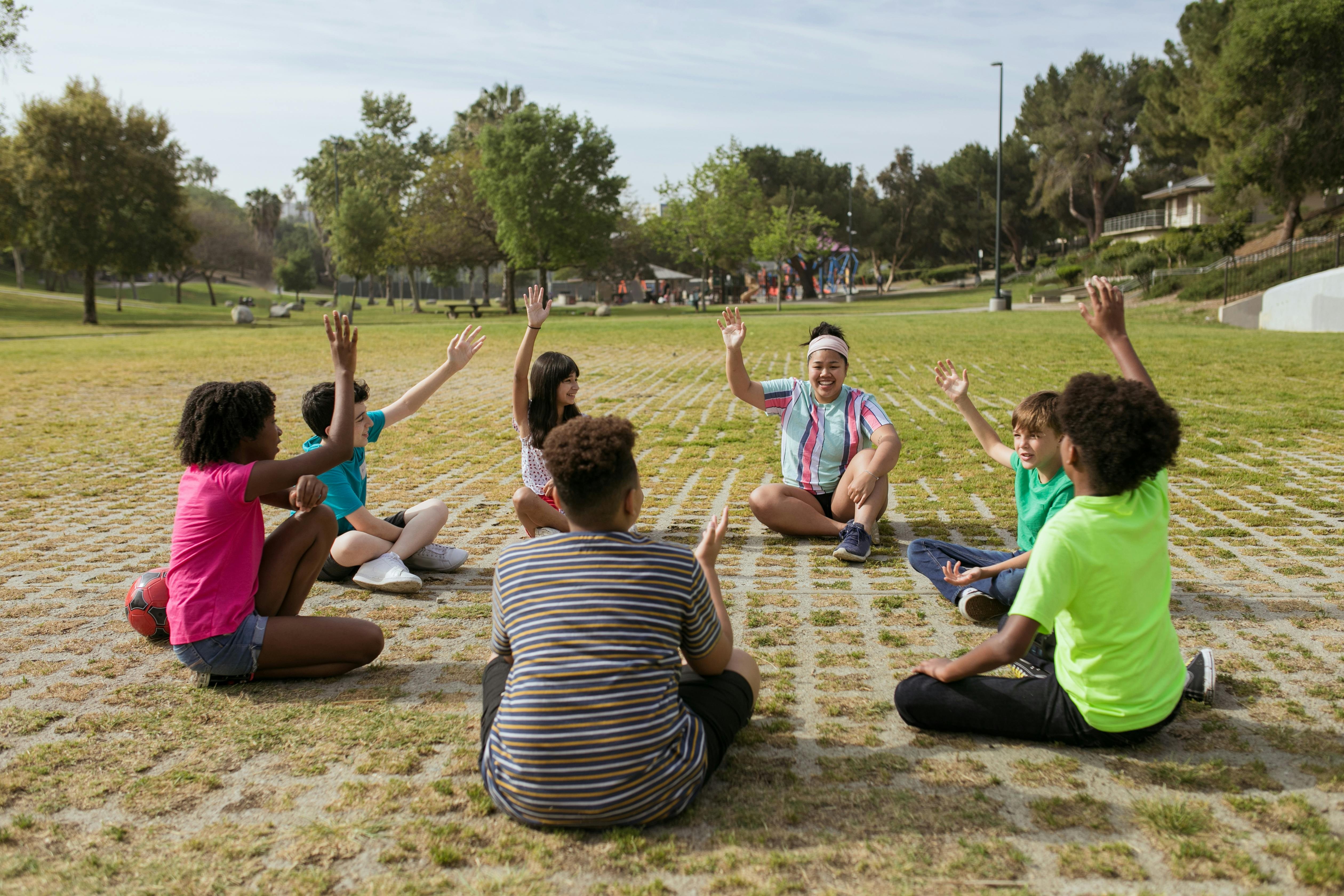
“Do we really have to go to summer camp”? These were the distressed words of my 11-year-old when she heard the news she would be going to summer camp for 6-weeks. She continued to lament the fact she was looking forward to spending time with her friends and not getting up early.
One thing was for sure after listening to her, summer is a big part of a young person’s life. This makes creating a summer camp experience that is meaningful and engaging even more important. Summer camp can be the place where a shy child finds their voice during a talent show, where friendships form in a single afternoon, and where homesickness, excitement, frustration, and pride can all show up before lunch.
Behind every meaningful camp experience are the adults who cultivate an environment where young people feel supported and cared for. Strong summer camp staff training isn’t only about tightening control or reviewing policies for hours. While policy and structure are important, it is just as important to help adults with relationship tools and emotional regulation. When staff feel prepared, young people experience more positive feelings. When positive feelings are present, it is more likely they will have positive behavior.
Summer camp staff training is a structured program that prepares counselors and camp leaders with the safety knowledge, relationship skills, emotional regulation tools, and behavior support strategies needed to create a safe and positive camp environment.
At its core, it’s preparation for presence.
It includes:
The goal is confident, connected adults who know how to lead with steadiness.
Summer camp brings together a diverse group of staff. Many camp staff are in their first leadership role. For others, it is their first time working with kids or at a job in general. This means it may be their first time managing conflict, navigating homesickness, or leading a group through a long, hot afternoon. Without intentional training, staff default to what they experienced growing up. This often leads to reactive discipline, raised voices, or power struggles.
But camp doesn’t need more control. It needs adults who can:
This is why traditional “behavior management” approaches often fall short. At The Flourish Lab, we focus on proactive, relationship-centered strategies instead of punishment-based systems. You can explore our philosophy on behavior management and how it differs from control-based models.
If relationships are the engine of camp, staff training is the fuel.
Consistency creates emotional safety. When staff know exactly where to stand, what to say, and how transitions flow, anxiety drops. Not just for the young people, but for the staff as well. Predictable systems reduce stress. Reduced stress reduces behavior challenges.
Take a moment to think about a person you trust. How do you show up for that person? Now, think about a person that you don’t trust. How do you show up for that person? Focusing on relationships builds trust and belonging. Connection prevents more problems than fear ever will. Staff should leave training knowing how to:
Positive relationships aren't an accident. They are built in moments.
Difficult behavior isn’t a problem that only afflicts children, it is a human condition. Adults experience strong emotions and negative behaviors in the program too. Developing skills to handle our own emotions as well as the people around us is a foundational skill to creating a positive environment for youth. Effective summer camp staff training helps adults understand:
When adults learn to regulate themselves first, it becomes easier to regulate a young person.
At The Flourish Lab, we believe that planning is an act of care. If we do it with intention it demonstrates to a young person they matter. Many behaviors we label challenging show-up when planning is off. Things like unclear transitions, and unstructured downtime don’t go well and the first instinct is to think “These kids need behavior management”. What if we instead prepared staff to plan the details so these types of behaviors are reduced?
Strong training walks staff through:
Caring enough to manage the details sends a powerful message: “You matter enough for us to be prepared.”
Summer programs are more than a schedule of activities. They are an opportunity for a young person to discover meaningful connections and experiences. This happens best when they feel seen, heard, and valued. In order to do this, we must prepare staff with the skills to create an environment where this is possible.
Summer staff training is about more than managing behavior. It’s about preparing adults to build and maintain relationships.
And relationships are what keeps youth and staff coming back year after year.
Camp training should include safety protocols, supervision systems, relationship-building skills, behavior and de-escalation strategies, and emotional regulation tools for adults.
Well-trained staff reduce behavior issues, improve youth retention, increase safety, and create stronger developmental outcomes.
Most summer programs provide 3–7 days of staff training before camp begins, with continued coaching and support throughout the summer.
Effective training is more than reviewing policies and standards. It is engaging and relevant to staff. It may use scenario practice, reflection, and activities to support learning.
“Do we really have to go to summer camp”? These were the distressed words of my 11-year-old when she heard the news she would be going to summer camp for 6-weeks. She continued to lament the fact she was looking forward to spending time with her friends and not getting up early.
One thing was for sure after listening to her, summer is a big part of a young person’s life. This makes creating a summer camp experience that is meaningful and engaging even more important. Summer camp can be the place where a shy child finds their voice during a talent show, where friendships form in a single afternoon, and where homesickness, excitement, frustration, and pride can all show up before lunch.
Behind every meaningful camp experience are the adults who cultivate an environment where young people feel supported and cared for. Strong summer camp staff training isn’t only about tightening control or reviewing policies for hours. While policy and structure are important, it is just as important to help adults with relationship tools and emotional regulation. When staff feel prepared, young people experience more positive feelings. When positive feelings are present, it is more likely they will have positive behavior.
Summer camp staff training is a structured program that prepares counselors and camp leaders with the safety knowledge, relationship skills, emotional regulation tools, and behavior support strategies needed to create a safe and positive camp environment.
At its core, it’s preparation for presence.
It includes:
The goal is confident, connected adults who know how to lead with steadiness.
Summer camp brings together a diverse group of staff. Many camp staff are in their first leadership role. For others, it is their first time working with kids or at a job in general. This means it may be their first time managing conflict, navigating homesickness, or leading a group through a long, hot afternoon. Without intentional training, staff default to what they experienced growing up. This often leads to reactive discipline, raised voices, or power struggles.
But camp doesn’t need more control. It needs adults who can:
This is why traditional “behavior management” approaches often fall short. At The Flourish Lab, we focus on proactive, relationship-centered strategies instead of punishment-based systems. You can explore our philosophy on behavior management and how it differs from control-based models.
If relationships are the engine of camp, staff training is the fuel.
Consistency creates emotional safety. When staff know exactly where to stand, what to say, and how transitions flow, anxiety drops. Not just for the young people, but for the staff as well. Predictable systems reduce stress. Reduced stress reduces behavior challenges.
Take a moment to think about a person you trust. How do you show up for that person? Now, think about a person that you don’t trust. How do you show up for that person? Focusing on relationships builds trust and belonging. Connection prevents more problems than fear ever will. Staff should leave training knowing how to:
Positive relationships aren't an accident. They are built in moments.
Difficult behavior isn’t a problem that only afflicts children, it is a human condition. Adults experience strong emotions and negative behaviors in the program too. Developing skills to handle our own emotions as well as the people around us is a foundational skill to creating a positive environment for youth. Effective summer camp staff training helps adults understand:
When adults learn to regulate themselves first, it becomes easier to regulate a young person.
At The Flourish Lab, we believe that planning is an act of care. If we do it with intention it demonstrates to a young person they matter. Many behaviors we label challenging show-up when planning is off. Things like unclear transitions, and unstructured downtime don’t go well and the first instinct is to think “These kids need behavior management”. What if we instead prepared staff to plan the details so these types of behaviors are reduced?
Strong training walks staff through:
Caring enough to manage the details sends a powerful message: “You matter enough for us to be prepared.”
Summer programs are more than a schedule of activities. They are an opportunity for a young person to discover meaningful connections and experiences. This happens best when they feel seen, heard, and valued. In order to do this, we must prepare staff with the skills to create an environment where this is possible.
Summer staff training is about more than managing behavior. It’s about preparing adults to build and maintain relationships.
And relationships are what keeps youth and staff coming back year after year.
Camp training should include safety protocols, supervision systems, relationship-building skills, behavior and de-escalation strategies, and emotional regulation tools for adults.
Well-trained staff reduce behavior issues, improve youth retention, increase safety, and create stronger developmental outcomes.
Most summer programs provide 3–7 days of staff training before camp begins, with continued coaching and support throughout the summer.
Effective training is more than reviewing policies and standards. It is engaging and relevant to staff. It may use scenario practice, reflection, and activities to support learning.


.svg)